


Book An
Appointment
Lorem ipsum dolor sit amet, consectetur adipiscing elit, sed do eiusmod tempor incididunt ut labore et
Our Services
Quick Summary
Drain snaking uses a steel cable to break up or hook a localized blockage and is best for single clogs near a fixture. Hydro jetting uses high-pressure water to scour buildup along the full length of the pipe and suits recurring or gradual clogs. Older or fragile pipes should be camera-inspected before any hydro jetting.
- Snaking is often quick and least invasive for single, localized blockages like hair or food debris.
- Hydro jetting cleans the full pipe wall and is better suited to recurring grease, sludge, and scale buildup.
- A clog that returns within a few months usually signals wall buildup, which points toward hydro jetting.
- Ask for a camera inspection before hydro jetting older homes, repeat clogs, or lines with suspected root intrusion.
- Several drains backing up at once is a main sewer line sign that calls for a thorough approach.
Table of Contents
- How Drain Snaking Works and What It Clears
- How Hydro Jetting Works and What It Clears
- Hydro Jetting vs Snaking: Key Differences Side by Side
- Hydro Jetting Cost in Pinellas Park and What Changes the Quote
- When a Sewer Camera Inspection Comes Before Either Method
- Signs of a Main Sewer Line Clog and Which Method Fits
- Booking Your Drain Cleaning Visit With CW Plumbing
- Frequently Asked Questions
Hydro Jetting vs Snaking for Drain Cleaning Compared
Last Updated: November 4, 2026
How Drain Snaking Works and What It Clears
When a sink, shower or tub drains slowly, a plumber will often reach for a drain snake first. A snake is a long, flexible steel cable fed into the drain line and rotated to break up or hook a blockage.
A snake works by physically reaching the blockage and either breaking it apart or pulling debris back up the line. Once the cable passes through the clog, the water usually drains again. The work is focused.
Types of clogs a snake handles well
Snaking is most effective on localized, solid blockages. These include:
- Hair caught in a shower or tub drain
- Food debris trapped in a kitchen sink trap
- Toilet clogs from excess paper or small objects
- Soap and hair buildup that has formed a plug in one spot
Because the cable works on one point in the line, a snake is often faster and less expensive than other methods. It is a practical choice when the clog is close to the fixture and the rest of the pipe is in reasonable condition.
How Hydro Jetting Works and What It Clears
Hydro jetting uses a high-pressure stream of water to clean the inside of a pipe.
The water does more than open a hole through a clog. It removes buildup along the full length of the pipe, which is why hydro jetting is often chosen for stubborn or recurring problems.
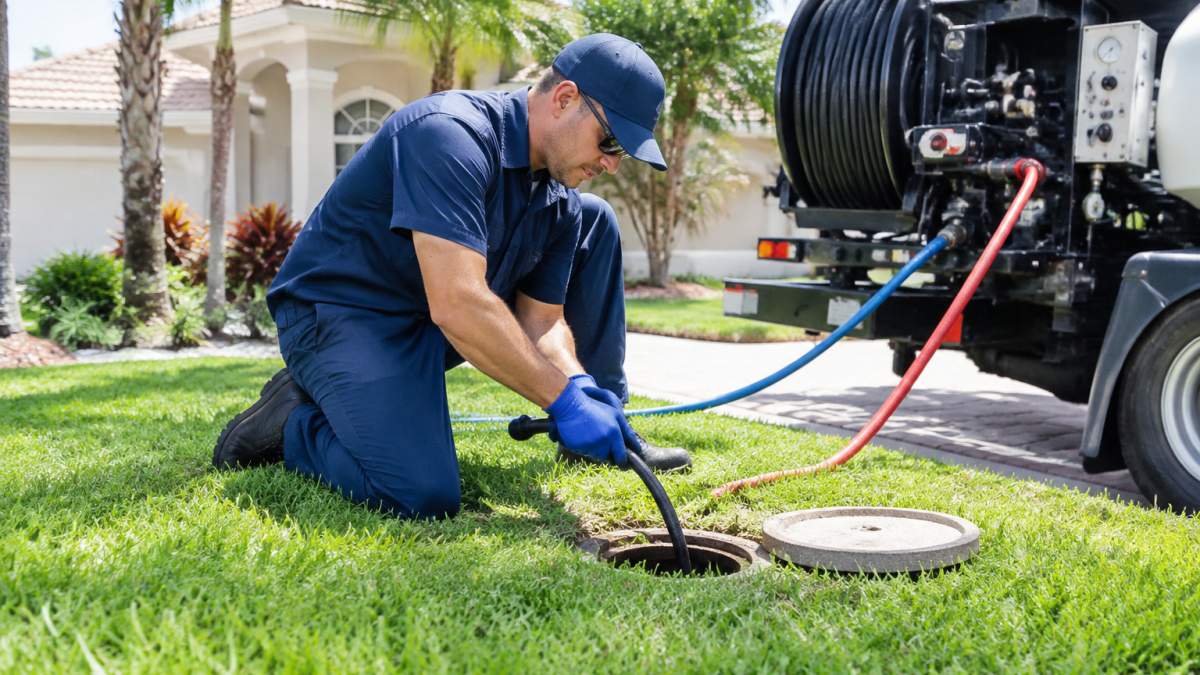
Grease, sludge, soap residue, and mineral buildup
Many slow drains are not caused by a single object. Over months or years, grease, sludge, soap residue and mineral scale can coat the pipe wall and narrow the opening. A snake may cut a channel through this layer, but the walls often remain coated. Hydro jetting scours the pipe wall, which is why it is often considered a fit for this kind of gradual buildup.
Hydro Jetting vs Snaking: Key Differences Side by Side
The two methods solve different problems, and the useful comparison is which one fits the symptom in front of you. The table below summarizes the practical differences.
| Factor | Drain Snaking | Hydro Jetting |
|---|---|---|
| How it works | Steel cable breaks up or hooks the clog | High-pressure water scours the pipe wall |
| Best for | Single, localized blockages | Buildup along the full line |
| Effect on pipe wall | Opens a path; walls may stay coated | Cleans walls and removes residue |
| Typical speed | Often quick, especially near the fixture | Longer setup and run time |
| Pipe condition needed | Works on most sound pipes | Requires a pipe in sound condition |
| Recurring clogs | Often a short-term fix | Better suited to long-term results |
| Typical cost position | Lower for a single drain | Higher, reflects time and equipment |
| Main risk | Leaves buildup behind; clog returns | Can damage a deteriorated line |
Pros of snaking: Fast for simple clogs and minimal stress on the pipe.
Cons of snaking: It can leave grease or sludge on the wall, and repeat clogs are common when the pipe is coated.
Pros of hydro jetting: Thorough cleaning of the full line, strong results on recurring buildup, and effective on grease and root-related blockages.
Cons of hydro jetting: It is not suitable for every pipe. Old, cracked, or fragile lines need inspection first.
A symptom-based decision path
Use the following sequence to understand what to ask a plumber, not to replace the plumber’s judgment.
- One fixture is slow, everything else drains fine. Start with snaking. The clog is likely close to the fixture, and a cable is the least invasive way to clear it.
- The same fixture clogs again within a few months. The problem is buildup on the wall, not a single object. Ask about hydro jetting and a camera inspection to confirm the wall condition.
- Several fixtures back up at once, or water rises in a tub when a toilet flushes. This is a main-line symptom. Ask for a camera inspection before any cleaning method, then choose snaking, jetting, or repair based on what the camera shows.
- There is a known root problem or a history of root intrusion. Hydro jetting with a root-cutting nozzle is the usual next step, but only after the camera confirms the pipe can take the pressure.
- The home is older and the pipe material is unknown. Camera first. Cast iron, Orangeburg, and clay laterals behave very differently under pressure, and the material should drive the method.
- The clog is grease and soap in a kitchen line. Jetting is the better fit because a cable cuts a channel through grease rather than removing it, and the line reclogs quickly.
What changes the recommendation mid-job
A plumber can start with a snake and switch to jetting, or start with a camera and stop the job entirely. That is normal, and it is a sign the contractor is reading the line rather than running a script.
Watch out: Repeated use of harsh chemical drain openers before a service visit can make the plumber’s job harder and can damage some pipe materials.
Hydro Jetting Cost in Pinellas Park and What Changes the Quote
Cost depends on the job, the length and condition of the line, and access to the cleanout. Pricing is not published here, so please contact CW Plumbing or visit our website for a current quote. A quote typically reflects the clog’s location, the number of drains affected, whether a camera inspection is needed first, and whether any repairs are required before jetting can safely proceed.
When a Sewer Camera Inspection Comes Before Either Method
A camera inspection is not required for every drain cleaning call, but it is the cheapest way to avoid the most expensive mistake in this comparison: hydro jetting a line that cannot take the pressure. A short camera run before jetting can help avoid costly damage when a line cannot tolerate high pressure.
Pipe conditions that should trigger a camera inspection first
Ask for a camera inspection before hydro jetting when any of the following is true:
- The home is older than the local sewer stock. Older homes may use cast iron, galvanized steel, or Orangeburg fiber conduit for the lateral. Cast iron scales and pits from the inside; Orangeburg deforms and crushes. Neither tolerates high-pressure jetting well.
- The line has a history of repeat clogs. One clog is an event. Three clogs in two years is a pipe-condition question, and the answer usually lives on camera.
- There are signs of a belly, offset joint, or root intrusion. Gurgling at a floor drain, sewage odors in the yard, or a wet patch over the lateral all point to a defect that a snake can pass but a jetter can worsen.
- The cleanout is shared or the line length is unknown. A camera confirms the run length, the number of fittings, and whether the line is clay, cast iron, PVC, or something older before a high-pressure nozzle goes in.
- A prior repair is on record. Patched sections, spot liners, and push-fit couplings can fail under jetting pressure even when the rest of the line is sound.
What the camera actually shows the plumber
The camera confirms four things that change the method choice: the pipe material, the inside diameter, the location and nature of the blockage, and the condition of the wall. A line with heavy grease and soap scale but sound walls is a good jetting candidate. A line with a crushed section, a separated joint, or a back-pitched segment is not, no matter how much buildup is present. In that case the right next step is a repair or a liner, not a more aggressive cleaning method.
A camera inspection also protects the homeowner financially. Jetting a deteriorated line can lead to more costly damage, and service agreements often do not cover damage caused by cleaning a line that was already in poor condition.
Watch out: A camera inspection is only as good as the access. If the only cleanout is at the base of the stack and the blockage is under the yard, the camera may not reach the problem, and the plumber should say so rather than guess.
How the inspection changes the recommendation
Once the camera is in the line, the decision usually becomes obvious. Sound wall plus soft buildup points to hydro jetting. Sound wall plus a single solid object points to snaking or retrieval. Cracked, offset, or root-filled pipe points to repair before either method. That is the practical value of the inspection: it converts a general comparison into a specific recommendation for the pipe in front of the plumber.
Signs of a Main Sewer Line Clog and Which Method Fits
A main sewer line clog usually affects more than one fixture. Warning signs include:
- Several drains backing up at the same time
- Gurgling sounds from toilets or floor drains
- Sewage odors in the house or yard
- Water rising in a tub or shower when a toilet is flushed
A main line blockage generally calls for a more thorough approach. Hydro jetting or a camera-guided assessment is usually more appropriate than a short snake, especially if roots or heavy buildup are present. If you notice these signs, stop running water through the system and call a plumber promptly.
Booking Your Drain Cleaning Visit With CW Plumbing
If you are deciding between snaking and hydro jetting, a professional evaluation is the most reliable way to choose. CW Plumbing offers hydro jetting, sewer camera inspections, and drain cleaning for residential and commercial clients in Pinellas County. To schedule a visit or request a quote, contact CW Plumbing through our website.
Frequently Asked Questions
Is hydro jetting better than snaking?
Neither method is better in every case. Snaking is a focused tool that opens a path through a blockage, often at a lower cost, and it works well for a single hair or grease clog in a simple drain. Hydro jetting uses high-pressure water to scour the full pipe wall, which makes it more thorough for buildup, sludge, and recurring clogs. Pipe condition matters: older or fragile pipes may call for a camera inspection before any high-pressure work. A plumber can recommend the right method after looking at the drain.
Can hydro jetting damage older pipes?
It can, if the pipe is already cracked, corroded, or has loose joints. High-pressure water can worsen existing damage, which is why a sewer camera inspection is a standard safety check before jetting older clay, cast iron, or deteriorated lines. Modern PVC in good condition generally handles jetting well when the operator sets pressure appropriately for the pipe. Tell your plumber the age of the home and any past repairs so the right pressure setting is chosen from the start.
When should I choose snaking over hydro jetting?
Snaking is often the right first step for a simple blockage, such as a bathroom sink or shower drain clogged with hair and soap. It is also suitable when you only need to restore flow quickly and the pipe has no history of heavy grease or mineral buildup. If clogs keep returning within weeks, hydro jetting may be the better choice because it cleans the pipe wall rather than only opening a channel through the debris.
Does hydro jetting remove tree roots from sewer lines?
Hydro jetting can cut through and clear fine root intrusions that have grown into a sewer line, but it does not repair the pipe or stop roots from returning. Large root masses, broken pipe sections, or offset joints usually require a repair or replacement. A sewer camera inspection shows how much root intrusion exists and whether jetting is a practical option before any work begins.
