


Sewer Camera Inspection Cost: Complete Guide
Table of Contents
- What Is a Sewer Camera Inspection?
- Average Cost of Sewer Camera Inspection
- Signs You Need a Sewer Camera Inspection
- How Long Does a Sewer Camera Inspection Take?
- What Can Sewer Camera Inspection Detect?
- Sewer Camera Inspection vs. Hydro Jetting
- Local Rebate Programs and Financing Options
- DIY vs. Professional Inspection Risks
- Frequently Asked Questions
Last Updated: October 1, 2026
What Is a Sewer Camera Inspection?
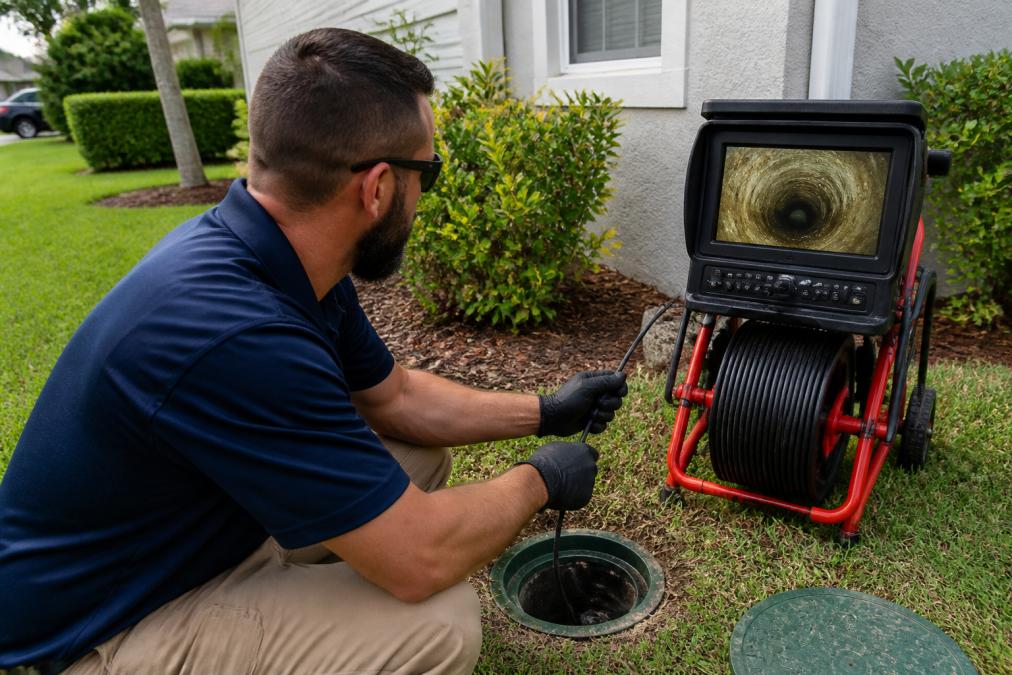
A sewer camera inspection is a diagnostic procedure that uses a specialized waterproof camera attached to a flexible cable to visually examine the interior of your underground drainage system. The camera transmits real-time video feed to a monitor, allowing a licensed plumber to identify blockages, damage, and other issues without excavation.
This non-invasive method provides concrete visual evidence of pipe condition before you commit to repairs.
The camera is inserted through a cleanout or drain opening and captures high-definition footage of pipe conditions, joint integrity, and obstructions to inform repair strategy.
The real value of a sewer camera inspection isn’t just finding problems, it’s documenting them. You have video evidence of what needs repair, which means no surprises when your plumber gives you a quote for the actual fix.
Average Cost of Sewer Camera Inspection
Sewer camera inspection cost varies based on line length, cleanout accessibility, and system complexity. Understanding these factors helps you get an accurate quote.
Pricing depends on footage inspected, number of lines, and cleanout accessibility.
Contact a licensed plumber for a property-specific quote. A sewer camera inspection can help prevent costlier emergency repairs from undiagnosed problems.
Getting a sewer camera inspection now can help prevent costlier repairs later. Early diagnosis of root intrusion, pipe collapse, or offset joints can save money in emergency plumbing work.
Signs You Need a Sewer Camera Inspection
Recurring clogs in multiple drains suggest a main line blockage. If plunging and drain cleaning don’t solve the problem, video inspection reveals the actual obstruction.
Slow drainage throughout your home, sewage backups, wet yard spots, or unusually lush grass patches indicate a broken sewer line.
Older homes with cast iron or clay pipes should be inspected due to material deterioration and root infiltration risk. Strange drain odors or indoor pest problems may indicate sewer line cracks.
Sewer Camera Inspection for Homebuyers: A Critical Due-Diligence Step
For home purchases, especially pre-1980 properties, a sewer camera inspection is essential. Sewer line repair or replacement can be a significant expense and isn’t typically covered by homeowner’s insurance.
Ask the seller’s agent if a sewer camera inspection has been performed. If not, order one before making an offer or as a purchase contingency during your inspection period.
Red Flags That Warrant a Pre-Purchase Inspection
Red flags include: homes built before 1970 (cast iron/clay pipes), large trees (root intrusion risk), wet yard spots (leaking line), prior sewer repairs (may indicate recurring problems), septic-to-sewer conversion (abandoned tank issues), and foundation cracks or water staining (nearby leaks).
What a Pre-Purchase Inspection Reveals
A pre-purchase sewer camera inspection reveals root intrusion, cracks, or offset joints, giving you documentation to request seller repairs, negotiate price reductions, or plan post-purchase repairs. Without it, you risk discovering a failed line after closing and facing a significant repair bill. The inspection is an inexpensive way to mitigate this risk.
Inspection Timing in the Purchase Process
Order the sewer camera inspection during your inspection period, after the general home inspection but before final walkthrough. This timing allows you to negotiate or back out if problems are severe, or plan preventive maintenance if issues are minor.
Buying an older home without a sewer camera inspection is a major financial risk. A failed sewer line discovered after closing becomes your responsibility and can be a significant expense to repair or replace. The inspection is an inexpensive way to mitigate this risk.
How Long Does a Sewer Camera Inspection Take?
A typical sewer camera inspection takes 1-3 hours; main line inspections usually take 1-2 hours.
Longer lines, multiple branches, difficult access, or blockage clearing extend the timeline. Commercial properties may require 3-4 hours or more.
Most time is spent on preparation, cleanout access, equipment setup, and documentation, essential for planning repairs.
CW Plumbing schedules sewer camera inspections with realistic time expectations so you’re not left wondering when the work will finish. The technician will communicate progress and explain findings in real time, so you understand what the video is showing as it happens.
What Can Sewer Camera Inspection Detect?
A sewer camera inspection reveals pipe condition and identifies hidden problems. It detects root intrusion, one of the most common causes of blockages and pipe damage.
The inspection identifies pipe collapse, offset joints, scale buildup, grease, and obstructions, helping determine whether hydro-jetting or other methods will solve the problem.
The camera detects cracks, corrosion, and deterioration, documenting whether your drainage system can handle normal use or requires repair.
Sewer Camera Inspection vs. Hydro Jetting
These are complementary services. A sewer camera inspection diagnoses problems; hydro jetting clears blockages and buildup.
The inspection shows what’s blocking or damaging your line. Hydro jetting uses high-pressure water to clear grease, scale, roots, and debris, but doesn’t fix structural damage like cracks or collapse.
Hydro jetting can temporarily clear roots, but won’t fix cracked or collapsed pipes, those require trenchless repair or replacement. The inspection determines the right approach.
Many homeowners want to try hydro jetting without the inspection first. That’s often a mistake. You might spend money clearing a blockage that will return within weeks if the root cause is a cracked pipe. The inspection can help prevent wasted money on temporary fixes for permanent problems.
CW Plumbing recommends starting with a sewer camera inspection so you understand the actual condition of your line before deciding on repair methods. This approach can help save money and ensures the fix addresses the real problem.
Clearing a blockage without diagnosing the cause often leads to the same problem recurring within weeks or months. The inspection reveals whether you’re dealing with a temporary obstruction or a structural issue requiring repair.
Local Rebate Programs and Financing Options
Several communities offer rebate programs or financial assistance for sewer line repairs and replacements. These programs aim to help homeowners address aging infrastructure and reduce environmental impact from failed lines. However, most homeowners don’t know these programs exist or how to access them, leaving thousands of dollars unclaimed.
How to Find and Apply for Local Rebates
Start by contacting your local municipality’s Public Works or Utilities Department. Have your property address and the year your home was built ready. Ask specifically:
- Does our municipality offer rebates or cost-sharing for sewer line inspection, repair, or replacement?
- What is the maximum rebate amount?
- What are the eligibility requirements (property age, line condition, income limits)?
- What documentation do I need to apply (inspection reports, repair quotes, proof of residency)?
- What is the application deadline, and how long does approval take?
Many municipalities require a professional sewer camera inspection report before approving rebate applications. This is actually beneficial, the inspection documents the problem and justifies the repair cost to the rebate program. Some programs reimburse a percentage of the inspection cost itself, so the camera inspection may be partially or fully covered.
Common Rebate Program Structures
Rebate programs typically fall into two categories. Cost-sharing programs may cover a percentage of approved repair or replacement costs, with homeowners responsible for the remainder. Some programs cap the total rebate per property. Targeted assistance programs prioritize properties where sewer line failure poses health or environmental risks, for example, homes with documented sewage backups or lines leaking into groundwater.
Eligibility often depends on:
- Property age (homes built before 1980 are common targets, as older cast iron and clay pipes fail more frequently)
- Current line condition (documented by camera inspection showing cracks, collapse, or root intrusion)
- Whether the line is original to the home or has never been replaced
- Household income (some programs prioritize lower-income homeowners)
- Municipal service area (programs may apply only to properties on public sewer systems, not septic)
Timing and Application Strategy
Rebate programs often operate on annual funding cycles with application deadlines in spring or early summer. Funding can be limited, once allocated, the program may close until the next fiscal year. If you’re considering a sewer line repair or replacement, inquire about rebates early. A delay of a few months could mean missing the current year’s funding window.
The application process typically requires:
- A written sewer camera inspection report from a licensed plumber documenting the problem
- At least one repair quote from a licensed contractor
- Proof of property ownership and residency
- A completed application form (usually available from your municipality’s website or by request)
- Sometimes, proof of homeowner’s insurance
Submit applications as soon as you have the inspection report and quote. Processing times vary from 2 to 8 weeks. Approval is not guaranteed, but documented problems identified by professional inspection significantly improve your chances.
Financing Options When Rebates Don’t Cover Full Cost
If rebates are unavailable or don’t cover the full repair cost, several financing options exist.
Apply for rebates before scheduling repairs. A documented inspection report strengthens your application, and approved rebates reduce your out-of-pocket cost before you commit to financing.
DIY vs. Professional Inspection Risks
Attempting a sewer camera inspection yourself is not practical and carries real risks. The equipment is specialized and expensive, requiring training to operate safely and effectively.
Frequently Asked Questions
How long does a sewer camera inspection take?
Most sewer camera inspections take between 1 to 3 hours, depending on the length of your main line and how easily the camera can access the cleanout. A typical residential line of 100 to 150 feet takes about 1 to 2 hours. Longer lines, older cast iron pipes, or lines with multiple offset joints may take longer. The licensed plumber will provide a time estimate before starting work.
What problems can a sewer camera detect?
A video drain inspection can identify root intrusion, pipe collapse, cracks, offset joints, blockages, and buildup inside your sewer line. The real-time video feed shows the exact location and severity of damage, helping your plumber recommend whether you need hydro-jetting, trenchless repair, or full replacement. This diagnostic clarity prevents unnecessary excavation and guesswork.
Do I need a sewer camera inspection before buying a home?
Yes, a sewer scope is highly recommended during a home inspection, especially for older homes or properties with a history of drainage issues. The inspection reveals hidden problems in the main line and septic system that could cost thousands to repair after purchase. Many homebuyers use the results to negotiate repairs or credits before closing.
How much does sewer camera inspection cost?
Pricing depends on factors such as line length, accessibility, local service area, and whether repairs are needed. Contact a licensed plumber for a written quote and upfront pricing before scheduling your video drain inspection.