


Book An
Appointment
Lorem ipsum dolor sit amet, consectetur adipiscing elit, sed do eiusmod tempor incididunt ut labore et
Our Services
Last Updated: November 13, 2026
Quick Summary
To prevent frozen pipes in Pinellas Park, insulate exposed pipes in garages, crawl spaces and attics, disconnect and drain garden hoses, and shut off outdoor valves before a freeze. Keep indoor temperatures steady, let faucets drip during freeze warnings, and seal drafts around pipe openings.
- Pipes in exterior walls, crawl spaces and garages can freeze even when indoor air feels warm.
- Pipes can freeze when outdoor temperatures fall to or below about 32 degrees Fahrenheit for several hours.
- Disconnect and drain garden hoses after every use, since trapped water can crack the outdoor valve.
- Let a faucet on the coldest side of the house drip slowly during freeze warnings.
- Never use open flame or pour hot water on a frozen pipe; shut off the main supply and call a plumber.
Table of Contents
- Why Pinellas Park Homes Still Get Frozen Pipes
- At What Temperature Do Pipes Freeze in Pinellas Park?
- 1. Insulate Exposed Pipes in Unheated Areas
- 2. Disconnect and Store Garden Hoses
- 3. Shut Off and Drain Outdoor Water Valves and Hose Bibs
- 4. Keep Indoor Temperatures Steady and Open Cabinet Doors
- 5. Let Faucets Drip During Freeze Warnings
- 6. Seal Drafts and Use Heat Tape Safely
- 7. Plan Ahead for Renters, RV Owners, and Seasonal Absences
- What to Do If a Pipe Freezes or Bursts
- When to Call a Professional
- Frequently Asked Questions
Why Pinellas Park Homes Still Get Frozen Pipes
Frozen pipes are not just a northern problem. Homes in Pinellas Park can still see freezing overnight, and knowing how to prevent frozen pipes matters because a single cold snap can crack a pipe that has never given trouble before. Homeowners often assume Florida weather is too mild to matter, and a hard freeze can still catch a plumbing system unprepared. Most of that damage is preventable with a few simple steps.
Pipes freeze when water inside them drops to a temperature where it turns to ice and expands. The expanding ice builds pressure that can split copper, PVC, and fittings. Ice itself does not always cause the break. The pressure does, and the crack often shows up only when the pipe thaws.
National Weather Service Tampa Bay forecast office freeze and hard freeze information
Pinellas Park homes often have pipes in places that cold air reaches easily, such as crawl spaces, attics, garages, outdoor hose connections, and exterior walls. These areas can run colder than the rest of the house, even when the thermostat is set comfortably.
At What Temperature Do Pipes Freeze in Pinellas Park?
Exposed pipes are at risk when outdoor temperatures fall to or below about 32 degrees Fahrenheit for several hours. Pipes in exterior walls, crawl spaces, and garages can freeze even when the air inside the home feels warm. Wind chill and clear, still nights make the risk higher because heat escapes faster.
When a hard freeze is forecast, treat your plumbing as vulnerable even if you rarely think about it.
1. Insulate Exposed Pipes in Unheated Areas
Start with the pipes you can see if you want to prevent frozen pipes. Garages, crawl spaces, and utility closets are common trouble spots, and foam pipe sleeves are an inexpensive fix that most homeowners can install in an afternoon. Cover every exposed run, including the elbows and valves, since those fittings are often the first place a freeze shows up. If you are unsure whether a hidden freeze crack has already happened, you can look into a sewer camera inspection of your pipes.
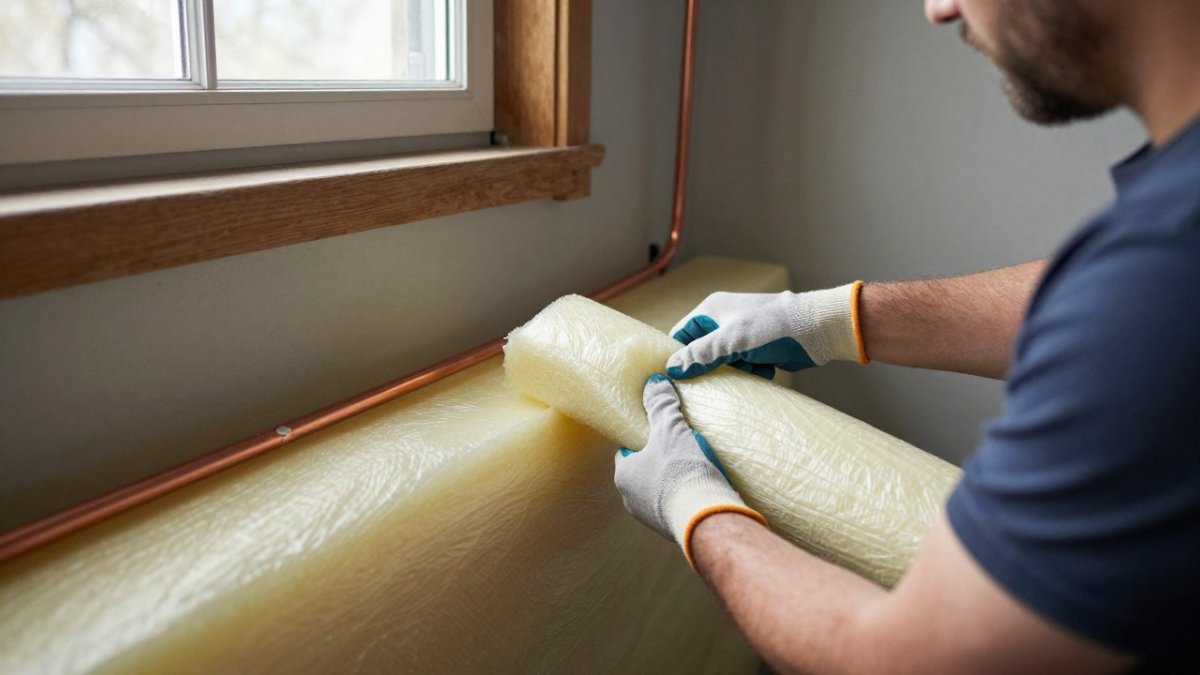
Insulation slows heat loss. It does not add heat, so pair it with the other steps below for the best protection.
Which Pipes Are Most Vulnerable in Florida Homes
In Pinellas Park, the pipes most at risk are the ones with the least protection from the house: supply lines in exterior walls, lines running through garages, outdoor spigots, and any pipe in an attic or crawl space. Older homes with thin or missing insulation deserve a closer look. Copper and uninsulated PVC both lose heat quickly.
Watch out: if a pipe has already frozen, do not keep turning the faucet to test it. Pressure building behind an ice blockage can split a pipe, so shut off the main water supply first and call for help.
The table below summarises the key ways to protect pipes, drawn from the sections above.
| Step | What to do | Timing or detail |
|---|---|---|
| Insulate pipes | Cover exposed runs, elbows and valves with foam sleeves | Slows heat loss; does not add heat |
| Disconnect hoses | Drain and store garden hoses indoors or in a shed | After every use |
| Shut off outdoor valves | Close the shutoff and drain hose bibs | Before a freeze |
| Steady indoor heat | Keep thermostat consistent; open cabinet doors | On cold nights |
| Drip faucets | Let a coldest-side faucet drip slowly | During freeze warnings |
| Seal drafts | Caulk and weatherstrip wall and hose bib gaps | Before cold snaps |
| Thermostat while away | Set no lower than 55 degrees Fahrenheit | When absent during freezes |
2. Disconnect and Store Garden Hoses
A garden hose left connected to an outdoor spigot traps water in the faucet and the pipe behind it. That water can freeze and crack the valve even when the rest of the plumbing is fine. Disconnect every hose after use, drain it fully, and store it indoors or in a shed for the cold months.
This one step costs nothing and prevents a surprising amount of damage. It is also one of the easiest items on any winter checklist to forget, so make it part of the routine.
3. Shut Off and Drain Outdoor Water Valves and Hose Bibs
Many homes have a dedicated shutoff valve for outdoor faucets, usually inside the house near where the line enters. Closing that valve before a freeze stops water from reaching the spigot. Then open the outdoor faucet to let the remaining water drain out.
Frost-free hose bibs help, but they only work when the hose is removed and the valve is properly drained. If you are not sure where your shutoff valve is, a licensed plumber can show you during a routine check.
4. Keep Indoor Temperatures Steady and Open Cabinet Doors
Keep the thermostat at a consistent setting during cold nights rather than turning it down sharply. Heat from the living space warms the walls and floors where many pipes run. A steady temperature is more protective than a sudden drop.
Open the cabinet doors under bathroom and kitchen sinks on cold nights. This lets warm room air reach the supply lines against exterior walls. Keep cleaning products and other chemicals out of reach of children and pets when cabinets are open.
5. Let Faucets Drip During Freeze Warnings
Moving water is much harder to freeze than still water. During a freeze warning, let a faucet on the coldest side of the house drip slowly. A thin, steady stream relieves pressure in the line, so a blockage is less likely to split the pipe.
The drip uses some water, but it is far less costly than a burst pipe. Focus on faucets served by pipes that run along exterior walls.
6. Seal Drafts and Use Heat Tape Safely
Cold air finds the path of least resistance. In Pinellas Park homes, that is often the gap where a pipe passes through an exterior wall, the rim joist area in a garage, or the opening around a hose bib. Caulk and weatherstrip these openings, and use foam sealant around pipe penetrations where the framing allows it.
Heat tape and heat cables can help pipes in hard-to-reach spots, but they are not a universal fix. Heat tape can work well on straight runs of accessible supply pipe in a crawl space, garage, or attic where the pipe can be wrapped evenly. It is a poor fit for buried lines, for pipes that are already insulated and sealed inside a wall, or for any line you cannot inspect.
Installation matters as much as the product. Use only products certified for the purpose and follow the manufacturer’s instructions exactly. Plug heat tape into a ground-fault circuit interrupter (GFCI) protected outlet, never leave it coiled or overlapping, and unplug it when the cold threat passes. Do not wrap heat tape over itself, over insulation, or around fittings and valves unless the product is rated for that use.
U.S. Consumer Product Safety Commission space and electric heater safety guidance
Watch out: heat tape is not a substitute for shutting off and draining an outdoor line, and it should never be used on a pipe that has already frozen, thaw the line first, then protect it.
7. Plan Ahead for Renters, RV Owners, and Seasonal Absences
If you are away during a cold snap, set the thermostat no lower than 55 degrees Fahrenheit, shut off the main water supply, and drain the system if you expect extended absence. Tenants should confirm with the landlord who handles freeze prevention. RV owners should winterize according to the manufacturer’s instructions and keep water lines empty.
Keep a freeze plan written down: where the main shutoff is, which outdoor valves to close, and who to call. Checking local forecasts before a cold front gives you time to act.
What to Do If a Pipe Freezes or Bursts
If water stops flowing from a faucet during a freeze, do not ignore it. A common pattern in Pinellas Park is a homeowner who notices low pressure at one fixture, keeps testing it, and then finds water in a wall after the thaw. Treat a stopped faucet as a possible freeze and act in order. If a pipe has already burst, you can get emergency burst pipe repair in Pinellas County right away.
First, shut off the main water supply. Second, open the affected faucet so pressure has somewhere to go as the ice melts. Third, keep the area safe from electrical hazards, if water is near outlets, a panel, or an appliance, turn off power to that area at the breaker before you touch anything.
If you find a leak or a burst, shut off the main supply immediately and call a licensed plumber. Water damage spreads quickly, and the sooner the water is stopped, the less it costs to repair. A licensed plumber can also help confirm whether the break is on your side of the meter or the utility’s side.
Watch out: do not pour hot water on a frozen pipe or use a torch, rapid temperature change can crack copper or PVC, and an open flame near framing is a fire risk.
When to Call a Professional
Call a licensed plumber if a pipe has frozen and you cannot locate the blockage, if you see a leak or burst, if water stops flowing and does not return after thawing, or if your home has a history of freezing pipes. A plumber can inspect insulation, check hidden lines, install proper heat tape, and recommend upgrades.
For urgent problems, CW Plumbing offers emergency service in Pinellas County. You can also visit our website to schedule an appointment or request a quote for pipe insulation, inspections, or repairs.
Protecting your plumbing before the next cold snap takes less time than cleaning up after a burst. Start with the exposed pipes, then work through the rest of this checklist. Reach out to CW Plumbing if you want a professional check before winter arrives.
Frequently Asked Questions
What are the best ways to prevent frozen pipes?
The most effective approach combines insulation, air sealing, and keeping water moving. Wrap exposed pipes in foam sleeves or heat-tape-ready insulation, disconnect garden hoses, shut off and drain outdoor valves, and let faucets drip slightly during hard freezes. Keep indoor temperatures steady, open cabinet doors under sinks on exterior walls, and seal drafts near pipe runs. Each step is inexpensive, and together they cover the most common failure points in Pinellas Park homes.
At what temperature do pipes freeze in Pinellas Park?
Water inside pipes can begin to freeze when outdoor air drops to about 32 degrees Fahrenheit for several hours, especially in exposed or poorly insulated lines. Pipes in garages, crawl spaces, and outdoor walls are most at risk during cold snaps. Watch local National Weather Service freeze alerts and start preventive steps before temperatures are forecast to fall that low.
Should I leave my faucets dripping during a freeze warning?
Yes. Letting cold water trickle from faucets served by exposed lines keeps water moving, which makes it much harder for ice to form and block the flow. Open the faucet farthest from the main supply so the entire line stays active. A slow drip is enough; a strong stream wastes water. Keep cabinet doors under sinks open so warmer room air reaches the supply lines.
Does CW Plumbing offer emergency services for frozen or burst pipes in Pinellas Park?
CW Plumbing offers emergency plumbing service for homeowners and business owners in Pinellas County, including situations involving broken or leaking pipes. For current availability, pricing, or a quote, contact CW Plumbing directly through its website. Pricing depends on the scope of the repair, so the team will confirm details before any work begins.
