


Book An
Appointment
Lorem ipsum dolor sit amet, consectetur adipiscing elit, sed do eiusmod tempor incididunt ut labore et
Our Services
Table of Contents
- When a Pipe Bursts: First Steps Before Help Arrives
- Finding Your Water Shut-Off Valve Location Fast
- What Affects Emergency Burst Pipe Repair Cost
- Emergency Plumbing Response Time: What to Expect
- Repair Methods: Patching, Replacing, or Whole-House Repiping
- Why Pinellas County Homes Face Burst Pipe Risks
- After the Repair: Cleanup and Prevention
- Conclusion: Fast Action Limits the Damage
- Frequently Asked Questions
Last Updated: October 9, 2026
When a Pipe Bursts: First Steps Before Help Arrives
A burst pipe is a plumbing emergency where a pressurized water line fails and releases water uncontrolled into your home. Shut off the water first, then call for emergency burst pipe repair in Pinellas County.
Water damage compounds by the minute: a burst supply line can push several gallons per minute into walls and floors.
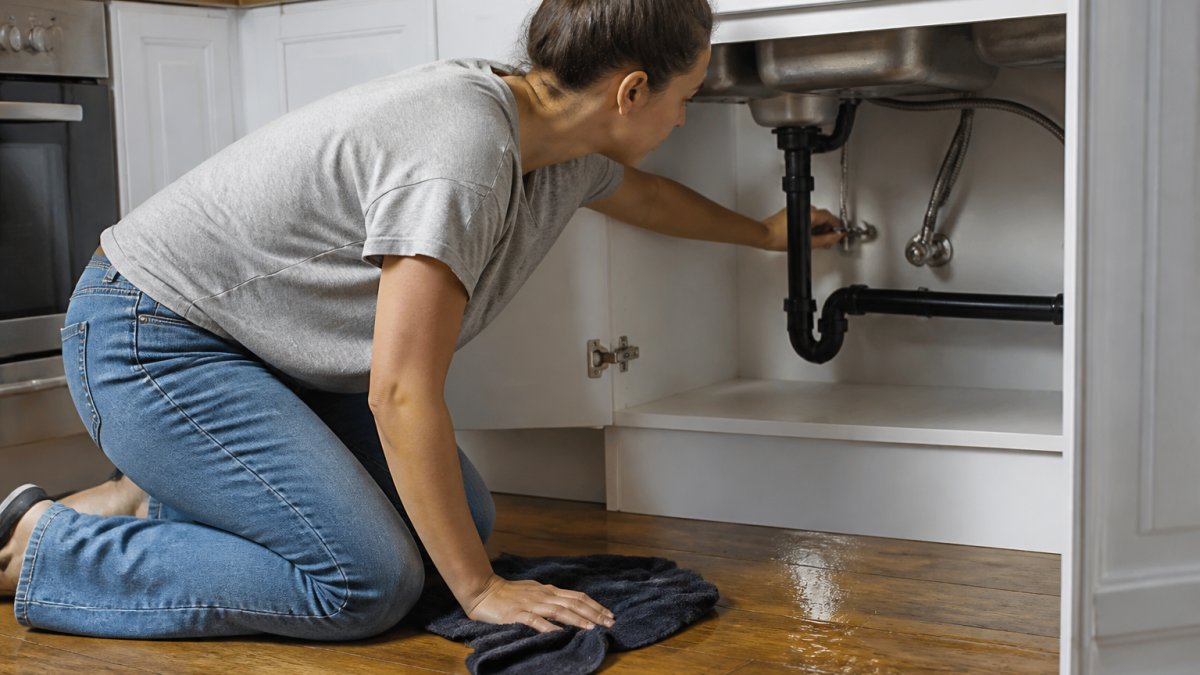
Temporary Fixes That Buy You Time
Once the water is off, slow the mess while you wait for a technician:
- Wrap the damaged section with self-fusing silicone tape or a rubber patch held by a hose clamp
- Slide a piece of garden hose over the split and clamp both ends
- Place buckets and towels under the leak and move furniture and electronics clear
These are stopgaps, not repairs. A patched pipe under full pressure will fail again, often within hours.
Never use electrical tape or duct tape alone on a pressurized water line. Both fail the moment the line repressurizes, and you’ll be back to a flooded floor with no warning.
Finding Your Water Shut-Off Valve Location Fast
Your main shutoff valve is usually where the water supply enters the home: a basement wall, a crawlspace, a utility closet, or an outdoor box near the street. Walk your home today and label it.
Main Shutoff vs. Fixture Valves
A fixture valve is the small shutoff under a sink or behind a toilet, controlling water to that one fixture only. A main shutoff valve stops all water entering the house.
If a single fixture is leaking, close its fixture valve. If water is spraying from a wall or ceiling, or you can’t tell where it’s coming from, close the main valve.
How to Actually Operate the Valve Under Pressure
Knowing where the valve is and being able to close it are different skills. Practice this sequence now, while the water is calm:
- Clear the area around the valve so you can reach it with both hands and a flashlight.
- Turn the handle clockwise, righty-tighty, until it stops. Gate valves may take five or more full rotations; ball valves stop at 90 degrees.
- Don’t stop at the first resistance. A gate valve that hasn’t moved in years often feels stuck partway through its travel. Keep steady pressure rather than jerking the handle.
- Once closed, open the lowest faucet in the house (a hose bib or basement sink) to drain residual pressure. Water will keep flowing briefly, that’s trapped water emptying, not a failed shutoff.
- Confirm the water has stopped at an upper faucet before you assume the valve is fully closed.
When the Valve Is Stuck, Buried, or Won’t Stop the Water
A valve that spins without resistance, leaks from the stem, or won’t fully stop the flow needs professional attention, but you still need the water off now. Two fallbacks:
- Meter-side shutoff. Many homes have a second valve at the water meter, often in a concrete or plastic box near the curb. The meter box and utility-side valve usually belong to the water utility, and tampering with it can violate local rules or trigger a fee. If it’s the only valve that will stop the flow, call the utility’s emergency line and let them operate it.
- Curb stop. The curb stop is the utility-controlled valve between the main and your meter, not a homeowner valve. If your private shutoff has failed and water is still entering the home, call the utility to close the curb stop, don’t dig it up yourself.
Never use a pipe wrench, channel locks, or a cheater bar to force a stuck main valve. You can snap the stem or crack the valve body, and the resulting unrestricted flow is far worse than the leak you were trying to stop.
Label It, Test It, and Know Your Fallback
Once you’ve located the main valve, tag it with a bright zip tie or a laminated card that says “WATER MAIN, CLOSE CLOCKWISE.” Show every adult in the household where it is and how it turns.
If your home has no working private shutoff, or the valve is corroded, seized, or leaking at the stem, schedule a replacement before the next emergency.
Keep a dedicated “water emergency” kit near the main valve: a flashlight, a towel, a permanent marker, and a printed card with your utility’s emergency number and your plumber’s number. In a real burst, you won’t want to search for any of it.
What Affects Emergency Burst Pipe Repair Cost
Burst pipe repair cost depends on where the pipe failed, what it’s made of, and how much access the repair requires. Any provider quoting a single number before seeing the problem is guessing.
The Cost Drivers, and Why Each One Moves the Number
| Factor | Why It Changes the Price |
|---|---|
| Pipe location | An exposed pipe in a basement or garage is a straightforward cut-and-splice. The same failure inside a finished wall, under a slab, or above a ceiling requires opening the surface, protecting the area, and patching it back, often more labor than the plumbing itself. |
| Pipe material | Copper, PEX, CPVC, and older galvanized lines each need different fittings, tools, and joining methods. Mixing an old galvanized stub into a new PEX run requires a transition fitting and careful prep, which adds time. |
| Extent of the break | A clean circumferential split in sound pipe is a short repair. A lengthwise split in corroded pipe usually means cutting back further to find healthy metal, which means a longer replacement section. |
| Access difficulty | Crawlspaces, second-floor ceilings, and post-tension slabs all slow the work. Confined-space and overhead work take longer per foot than an open basement run. |
| Time of day | After-hours, weekend, and holiday emergency calls typically carry a premium because the shop is paying overtime and holding a technician on standby. |
| Water damage scope | Drying, dehumidification, and restoration are separate from the plumbing repair. A pinhole leak that dripped into a cabinet is a different claim than a supply line that ran for an hour into a finished floor. |
| Permit and inspection | Some repairs, particularly those involving the meter side, main line, or significant re-piping, may require a permit and inspection. Ask whether the estimate includes permit fees. |
What You Can and Can’t Control
You can’t control where the pipe failed or what it’s made of, but you can control how fast you shut the water off, how quickly you call, and how well you document.
A common pattern: the plumbing repair is the smaller line item and water damage remediation the larger one. That’s why the first five minutes matter, every minute the water runs is a minute of drying, flooring, and drywall you may pay for later.
Questions to Ask Before You Approve Work
- Is the estimate for a spot repair, a section replacement, or a full line replacement, and why is that the right scope?
- Does the price include opening and closing the wall, floor, or ceiling, or is that a separate charge?
- Is the after-hours premium already included, or added at invoicing?
Documenting the Damage for Insurance
Photograph everything before cleanup: the burst section, standing water, the path the water traveled, and any damaged belongings. Take wide shots for context and close shots for detail.
Most homeowner policies cover sudden and accidental burst-pipe damage, but they distinguish a sudden failure from long-term seepage or neglect.
Keep a written timeline: when you noticed the leak, shut the water off, called, and when the technician arrived.
Before you sign off on cleanup, ask your plumber for a written summary of the failure, pipe material, location, cause if determinable, and scope of repair. Insurers frequently ask for exactly that, and it’s much easier to get while the technician is still on site than a week later.
For current pricing, contact CW Plumbing directly.
Emergency Plumbing Response Time: What to Expect
Emergency plumbing response time varies by provider and time of day, but a well-run shop dispatches a technician as soon as a call comes in.
Response also depends on access and traffic. A clear address, an unlocked gate, and someone on site to point out the shutoff speed things up. If you smell gas or see water near electrical panels, leave the home and call the utility first.
Repair Methods: Patching, Replacing, or Whole-House Repiping
The right fix depends on the pipe’s condition, not just the break. A single clean split in an otherwise sound line is often repaired with a coupling or short replacement section.
- Section replacement: Cut out the damaged length and splice in new pipe. Best for isolated failures in otherwise healthy lines.
- Spot patching: Clamp or sleeve a small leak. A short-term fix, not a permanent solution.
- Whole-house repiping: Replace the full water supply system. The right call when pipes are corroded, cracked, or repeatedly failing.
If your home has recurring leaks, we recommend a full inspection before committing to another patch. Replacing damaged sections early usually costs less than repeated emergency calls and water damage.
Why Pinellas County Homes Face Burst Pipe Risks
Pinellas County‘s warm, humid climate and older housing stock create specific risks. Many homes here were built decades ago with galvanized steel or early copper lines that corrode from the inside out.
Common causes of a burst pipe:
- Corrosion that thins the pipe wall until it splits
- Freezing during a rare hard freeze, which expands trapped water
- Water pressure spikes that stress joints and fittings
Warning signs worth acting on: discolored water, a sudden drop in water pressure, visible rust, or damp spots on walls and ceilings. Any of these means it’s time to inspect pipes before they fail.
After the Repair: Cleanup and Prevention
Once the pipe is fixed, the job isn’t done. Standing water breeds mold within a day or two, so dry the area thoroughly with fans and a dehumidifier, and check for hidden moisture behind baseboards and under flooring.
Prevention comes down to routine maintenance:
- Test your main shutoff valve twice a year
- Insulate exposed pipes in garages and crawlspaces
- Watch for pressure drops and discolored water
For ongoing protection, CW Plumbing offers routine maintenance and advanced diagnostics, including sewer camera inspections and hydro jetting, to catch problems before they cause water damage.
Conclusion: Fast Action Limits the Damage
A burst pipe is stressful, but the damage is manageable when you act fast: shut off the water, limit the mess, and call a professional. When you need emergency burst pipe repair in Pinellas County, CW Plumbing is a family and locally owned team with emergency service available, advanced diagnostic equipment, and experienced professionals serving homes and businesses across the area.
Frequently Asked Questions
What should I do first when a pipe bursts?
Shut off the main water valve immediately, then open the lowest faucet in the house to drain remaining water and relieve pressure. Turn off the electricity to any affected rooms at the breaker panel if it is safe to reach. Call a licensed emergency plumber right away. Move furniture and valuables away from the water, and use towels or a wet vacuum to start removing standing water. Fast action on these steps limits water damage and lowers the overall repair bill.
Will homeowners insurance cover damage from a burst pipe?
Most standard homeowners policies cover sudden and accidental water damage from a burst pipe, including walls, floors, and belongings. They typically do not cover the pipe repair itself or damage from long-term neglect like a slow leak you ignored. Document everything with photos and video before cleanup, keep receipts for emergency work, and file the claim promptly. Your insurer may send an adjuster to assess the damage before you make permanent repairs.
What affects the cost of emergency burst pipe repair?
Several factors drive the final bill: where the pipe is located (inside a wall or under a slab costs more), the type and age of the pipe, how much water damage occurred, and whether the repair happens after hours. Access difficulty, permit requirements, and whether you need drywall or flooring restored also add to the total. Request a written estimate before work begins so you know what is included.
Can I temporarily stop a burst pipe from leaking?
Yes, for a short time. After shutting off the water, dry the pipe surface and wrap it tightly with silicone self-fusing tape, a rubber patch held by a hose clamp, or even a piece of garden hose split lengthwise and secured with clamps. These fixes are temporary and only hold until a plumber arrives. Do not rely on them for more than a few hours, and never restore full water pressure until the pipe is properly repaired.