


Book An
Appointment
Lorem ipsum dolor sit amet, consectetur adipiscing elit, sed do eiusmod tempor incididunt ut labore et
Our Services
Table of Contents
- Signs of a Hidden Water Leak
- How to Check for a Water Leak With a Water Meter
- Water Leak Behind Wall Detection Methods
- Slab Leak Detection Techniques
- How to Find Hidden Pipe Leaks Using Visual Inspection
- When to Stop Troubleshooting and Call a Professional
- Frequently Asked Questions
Last Updated: October 11, 2026
Signs of a Hidden Water Leak
Water leaks hidden behind walls, under floors, or in slab foundations cause serious damage before you notice them. The longer they go undetected, the more expensive the repair becomes. We help homeowners identify leaks early by recognizing the warning signs that something is wrong.
Common indicators include:
- Soft, spongy spots on walls or floors
- Discolored patches on drywall or ceilings
- A musty odor in rooms with no obvious source
- Visible mold or mildew growth
- Water stains that appear without rain
- Unexplained increases in your water bill
If you notice any of these signs, don’t wait. The sooner you find hidden pipe leaks, the less structural damage occurs.
Ignoring water damage leads to mold, wood rot, and foundation problems. These repairs can cost thousands of dollars if left untreated.
How to Check for a Water Leak With a Water Meter
Your water meter is your first tool for detecting leaks. It shows exactly how much water flows through your pipes.
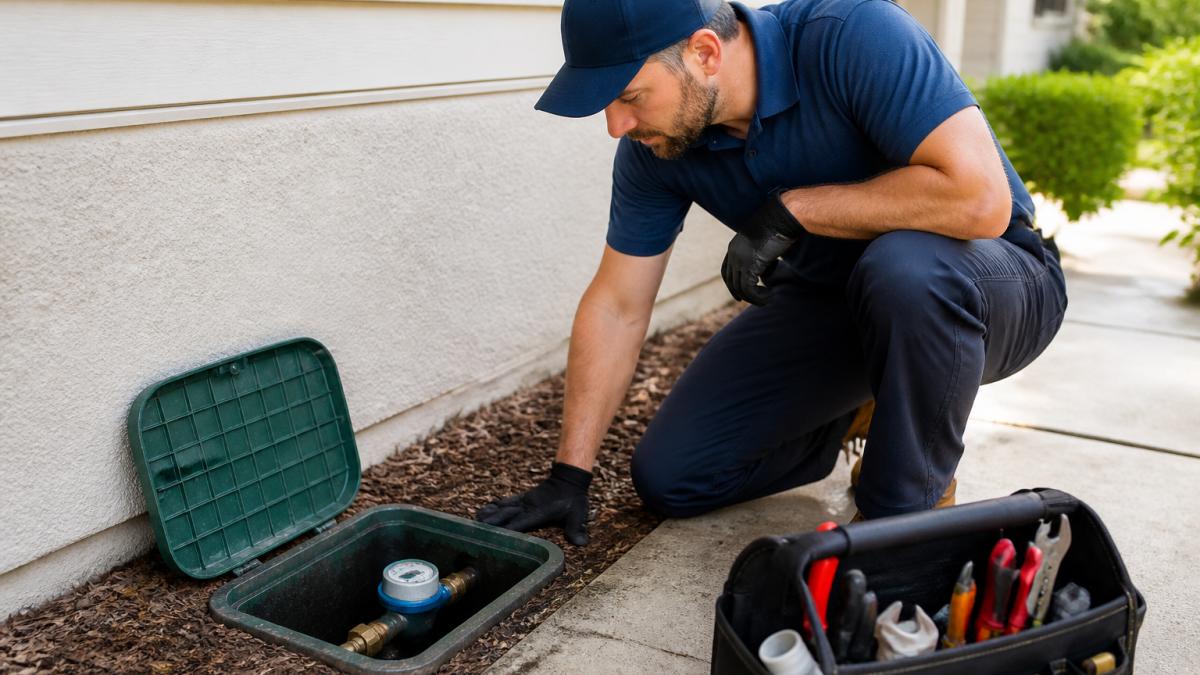
Here’s how to use it:
- Turn off all water sources in your home (faucets, toilets, appliances)
- Locate your water meter (usually in the basement, garage, or outside)
- Write down the current meter reading
- Wait 30 minutes without using any water
- Check the meter again
If the reading changed, you have a leak. A rising meter with no water use means water is escaping somewhere in your system.
Check your meter at night when nobody is using water. This gives you a clean baseline and makes small leaks easier to spot.
Water Leak Behind Wall Detection Methods
Leaks inside walls are the hardest to find hidden pipe leaks because they’re completely out of sight. You can’t see them, but you can detect them with the right approach using both visual clues and detection tools.
Visual and Tactile Signs
Look for these clues:
- Bubbling or peeling paint on walls
- Damp insulation visible in crawl spaces
- Cracks in drywall that grow over time
- Warped baseboards or trim
- A wet spot that keeps returning after drying
Press your hand against suspicious areas. Damp drywall feels cool and spongy because water evaporates from the surface, which draws heat away and lowers the material temperature. If an entire wall section feels wet or noticeably cooler than surrounding areas, the leak is likely inside.
Using a Moisture Meter
A moisture meter measures water content in drywall, wood, and insulation and pinpoints wet spots you cannot see with your eyes alone. These devices are inexpensive and widely available at hardware stores, often for rental at $5-$15 per day.
How to use one:
- Set the meter to the material type (drywall, wood, or insulation)
- Press the pins firmly into the suspect area
- Read the moisture percentage on the display
- Compare readings across the wall, wet areas will show significantly higher percentages
- Mark high-reading spots for further investigation
Most drywall reads 5-12% moisture when dry. Readings above 15% indicate active moisture and warrant professional inspection. Readings above 20% suggest advanced water damage.
Acoustic Detection
Water flowing or dripping inside walls produces sound. Place your ear near the wall and listen for hissing, dripping, or running water sounds. Move systematically across the wall to locate where the sound is loudest, this narrows the leak location. Early morning or late evening, when household water use is lowest, provides the clearest listening environment.
Thermal Clues
If the leak involves hot water pipes, feel the wall surface for warmth. Warm spots on drywall indicate hot water escaping behind the wall. Mark these areas and note their location relative to your water heater and hot water supply lines.
Water behind walls spreads through insulation and framing. The damage accelerates quickly, so act immediately when you suspect a wall leak. A moisture meter reading above 15% warrants a professional inspection.
Slab Leak Detection Techniques
Slab leaks occur when pipes running under concrete foundations crack or corrode. These are serious because they weaken your foundation and waste massive amounts of water.
Warning signs include:
- Hot spots on your floor with no explanation
- Cracks in concrete that form suddenly
- A spike in your water bill without increased usage
- Sound of running water when all taps are off
- Wet spots appearing on the floor
To find hidden pipe leaks in slabs, listen carefully. Place your ear near the floor and listen for hissing or running water sounds. Move around your home to locate where the sound is loudest.
Check for warmth. Run your hand across the floor. Warm spots indicate hot water pipes leaking beneath the concrete. Mark these areas so a professional can investigate.
Professional slab leak detection uses acoustic listening devices and thermal imaging to pinpoint the exact location. We use advanced equipment to find these leaks without tearing up your floor first.
How to Find Hidden Pipe Leaks Using Visual Inspection
A careful visual inspection catches many leaks before they become emergencies. Walk through your home systematically and check every area where water pipes run. Understanding what different pipe materials look like when failing helps you spot problems early.
Key Inspection Locations
Inspect these locations:
- Under sinks and around toilets
- Basement walls and floors
- Crawl spaces and attics
- Around water heater connections
- Where pipes enter walls or floors
- Along the foundation perimeter
Interpreting Pipe Corrosion by Material
Different pipe materials fail in distinct ways. Recognizing these patterns helps you identify active leaks versus old, stable corrosion.
Copper pipes: Look for green or blue-green oxidation (patina) on the surface. Light patina is normal and protective. However, pinhole leaks appear as small dark spots or holes surrounded by blue-green staining. If you see weeping water or mineral deposits (white or blue crusty buildup) around a pinhole, the pipe is actively leaking. Copper typically lasts 50+ years, so pinhole corrosion suggests water quality issues or aggressive soil chemistry.
Galvanized steel pipes: These develop rust spots and rough, flaking surfaces as the zinc coating corrodes. Rust-colored staining on the pipe or surrounding areas indicates active corrosion. Galvanized pipes typically fail after 40-50 years. If your home was built before 1980 and has original galvanized pipes, expect corrosion and plan for replacement.
PVC and plastic pipes: These do not rust, but look for cracks, splits, or white mineral deposits. Cracks often appear at joints or where pipes are pinched. Mineral deposits indicate slow leaking or seepage.
Mineral Deposits and Weeping
Mineral deposits (white, chalky, or crusty buildup) around pipe joints or on pipe surfaces indicate water is escaping slowly. This weeping often precedes a full leak. Wipe away deposits and check again in a few days, if they return, water is actively seeping.
Under-Sink and Toilet Inspections
Open cabinet doors under sinks and look for:
- Water pooling on the cabinet floor
- Soft or discolored wood
- Mold or mildew growth
- Stains on pipes or supply lines
- Mineral deposits on shut-off valves
Aroundtoilets, check the base for water seeping from the wax ring seal. Press on the floor around the toilet base, soft, spongy spots indicate water has saturated the subfloor.
Caulking and Grout Inspection
Check caulking around tubs, showers, and tile. Cracked, missing, or peeling caulk lets water seep behind walls and into framing. Replace it immediately to prevent damage. Similarly, cracked grout in tile areas allows water to penetrate behind the tile and into the substrate.
Supply Line Condition
Examine visible water supply lines for bulges, kinks, or discoloration. Rubber hoses (often braided) degrade over time and can burst without warning. If a hose is more than 5 years old, consider replacing it proactively. Stainless steel braided hoses last longer but can still fail at connection points.
Take photos of all visible pipes and connections during your inspection. This creates a baseline so you can spot changes over time and share images with a plumber if you need professional help.
When to Stop Troubleshooting and Call a Professional
You can identify signs and use basic detection methods, but some situations require professional help immediately. Knowing when to stop troubleshooting saves time and prevents further damage.
Call a professional if:
- You find water but can’t locate the source
- The leak is inside a wall or under the slab
- Your water bill jumped significantly with no explanation
- You smell mold but can’t find visible water damage
- Multiple rooms show signs of moisture
- The leak is near electrical systems or the foundation
Professional plumbers have tools you don’t. Thermal imaging cameras show temperature differences that reveal hidden leaks. Acoustic listening devices detect the sound of water escaping from pipes. Sewer camera inspections show exactly what’s happening inside pipes.
CW Plumbing uses advanced hydro jetting and sewer camera inspection equipment to diagnose complex leaks quickly. We identify the problem, explain your options, and provide reliable solutions.
Never ignore a suspected leak while waiting to call a professional. Water damage accelerates exponentially. What costs $500 to fix today becomes a $5,000 problem in a month.
Frequently Asked Questions
How can I tell if I have a hidden pipe leak?
Look for unexplained increases in your water bill, soft spots or discoloration on walls and ceilings, musty odors, or the sound of running water when no fixtures are in use. Check your water meter while no water is being used; if it’s moving, you likely have a leak. Warm spots on floors or walls near pipes can also indicate a leak in hot water lines.
Can a plumber find a leak without opening the wall?
Yes. Professional plumbers use acoustic leak detection equipment that listens for the sound of water escaping from pipes, and advanced diagnostics like sewer camera inspections can also identify leaks in certain locations. These methods help pinpoint the exact location before any walls need to be opened.
How do you find a water leak under a concrete slab?
Slab leaks are detected using acoustic listening devices to hear water escaping beneath concrete. If a slab leak is suspected, professional equipment and expertise are essential to locate it accurately before repair work begins.
Can a hidden pipe leak cause mold?
Yes. Prolonged exposure to moisture from hidden leaks creates ideal conditions for mold growth inside walls, under flooring, and in crawl spaces. Mold can develop within 24-48 hours in damp environments and poses health risks. If you notice musty odors or visible mold along with signs of a water leak, contact a professional immediately to locate and repair the leak before mold spreads further.
Hidden pipe leaks cause expensive damage when left untreated. Early detection saves thousands in repair costs and protects your home’s structure. If you’ve found signs of a leak but can’t locate it, stop guessing and get professional help. CW Plumbing offers advanced diagnostics including sewer camera inspections and thermal imaging to find hidden pipe leaks fast. Book an appointment today and get your leak fixed before it becomes a major problem.