


Book An
Appointment
Lorem ipsum dolor sit amet, consectetur adipiscing elit, sed do eiusmod tempor incididunt ut labore et
Our Services
Quick Summary
A toilet refills every few minutes because water is slowly leaking from the tank into the bowl, so the fill valve reopens to top the tank back up. The usual culprits are a worn flapper or a failing fill valve, and a short dye test or a quick check of the water level can tell you which one. Most homeowners can find the cause in under an hour.
- Listen for a short hiss or refill sound every 5 to 10 minutes
- Keep the tank water about 1 inch below the top of the overflow tube
- Add 5 to 10 drops of food coloring to the tank and wait 15 to 20 minutes
- If the bowl water turns colored, the flapper is leaking and needs replacing
- Turn the supply valve clockwise until it stops before touching any parts
Table of Contents
- Why Your Toilet Keeps Refilling Without Being Flushed
- Toilet Runs Every Few Minutes Not the Flapper? Check the Fill Valve First
- What Causes a Toilet to Randomly Fill for a Few Seconds
- How to Inspect the Toilet Fill Valve and Float
- Toilet Flapper Leak Test: Confirm Whether Water Is Leaking Into the Bowl
- Safe Shutoff and Repair Steps, Plus Water Waste and Bill Impact
- Booking a Toilet Repair Visit with CW Plumbing in Pinellas Park
- Frequently Asked Questions
Why Your Toilet Keeps Refilling Without Being Flushed
Last Updated: November 8, 2026
If your toilet keeps refilling every few minutes, water is moving from the tank into the bowl without anyone flushing, and that is the classic sign of a problem with toilet refills. That slow leak sends the fill valve back on to top up the tank. The cause is usually a worn flapper or a failing fill valve, and you can find out which in under an hour with a few simple checks.
The steps below walk you through what to check, in order, so you can narrow it down before you spend money on parts.
Frequent toilet refills waste water and can raise your water bill. Start with the cheapest and most common cause, then move on to the fill valve.
- Listen for a short hiss or refill sound every 5 to 10 minutes
- Check whether the water level in the tank drops when nobody flushes
- Look for color in the bowl after you add dye to the tank
Toilet Runs Every Few Minutes Not the Flapper? Check the Fill Valve First
Most people blame the flapper first, but a faulty fill valve causes many refill problems too. The fill valve controls how water enters the tank and shuts off at the right level. When its seal wears out or the float is set wrong, the tank may never fully stop filling.
Watch the tank for a few minutes. If the water level keeps rising to the overflow tube and spilling down, the fill valve is not shutting off. If the level stays put and the bowl stays dry, the problem is more likely a slow leak at the flapper.
Watch out: Do not bend the float arm or pull the fill valve apart before you shut off the water supply. Water left running can flood the bathroom floor within minutes.
Use this quick guide to match the symptom to the most likely cause before you buy any parts.
| Symptom | Likely cause | First check |
|---|---|---|
| Water level rises into overflow tube | Fill valve not shutting off | Lower the float to about 1 inch below the overflow tube |
| Tank level stays put, bowl stays dry | Less likely a flapper leak | Check the fill valve seal and float setting |
| Bowl water turns colored after dye test | Flapper leaking into bowl | Replace the flapper and check chain slack |
| Tank level drops, bowl does not rise | Overflow tube crack or loose gasket | Inspect overflow tube and tank-to-bowl gasket |
| Refill happens with water supply off | External leak | Address supply line or shutoff valve first |
What Causes a Toilet to Randomly Fill for a Few Seconds
A brief refill that happens at random is almost always a slow leak from the tank into the bowl.
The useful question is not just what is leaking but where. Use the symptom pattern below to sort the likely cause before you buy any parts.
Symptom pattern 1: The refill is short, the bowl water looks normal, and the tank level is steady between refills. This points to a flapper or flush-valve seat leak.
Symptom pattern 2: The refill is short, but the tank level sits below the fill line even right after a refill. This points to a fill-valve or float problem.
Symptom pattern 3: The refill runs long or never fully stops, and water trickles into the overflow tube. This is a fill valve that is not shutting off.
Common causes behind those patterns include:
- A worn, cracked, or warped flapper that no longer seals tight
- A flapper chain that is too short or tangled and holds the flapper slightly open
- Hard water mineral buildup on the flush valve seat
- An aging fill valve that lets water trickle in
- A float set too low, so the fill valve reopens too soon
- A damaged overflow tube or a refill tube aimed down the overflow
Ghost flushing, where a toilet seems to flush on its own, is usually the same tank-to-bowl leak. The refill starts because tank water is draining into the bowl, not because the flush mechanism was triggered.
Watch out: If the tank level drops noticeably between refills but the bowl water level does not rise, check for a crack in the overflow tube or a loose tank-to-bowl gasket before replacing the flapper, replacing the wrong part will not stop the refill.
How to Inspect the Toilet Fill Valve and Float
Before you open anything, turn off the water supply valve behind the toilet. Turn it clockwise until it stops. Then flush to empty most of the tank.
- Remove the tank lid and set it on a towel
- Check the fill valve for cracks, mineral crust, or a loose cap
- Lift the float arm or ball gently and see whether the valve shuts off
- Adjust the float screw or clip so the water stops about 1 inch below the overflow tube
- Turn the water back on and watch the level for 10 minutes
Replace the fill valve if it still runs after adjustment. Replacement fill valves are widely available, but check the model before buying.
Checking Water Level and Overflow Tube
The water level in the tank should sit about 1 inch below the top of the overflow tube. If the water is higher, it will keep running into the overflow and back into the bowl. That constant trickle keeps the fill valve busy.
Look at the overflow tube with the tank full. If water flows into it while the tank is still filling, lower the float. If the level is low and the valve still refills the tank often, check the flapper seal next.
Toilet Flapper Leak Test: Confirm Whether Water Is Leaking Into the Bowl
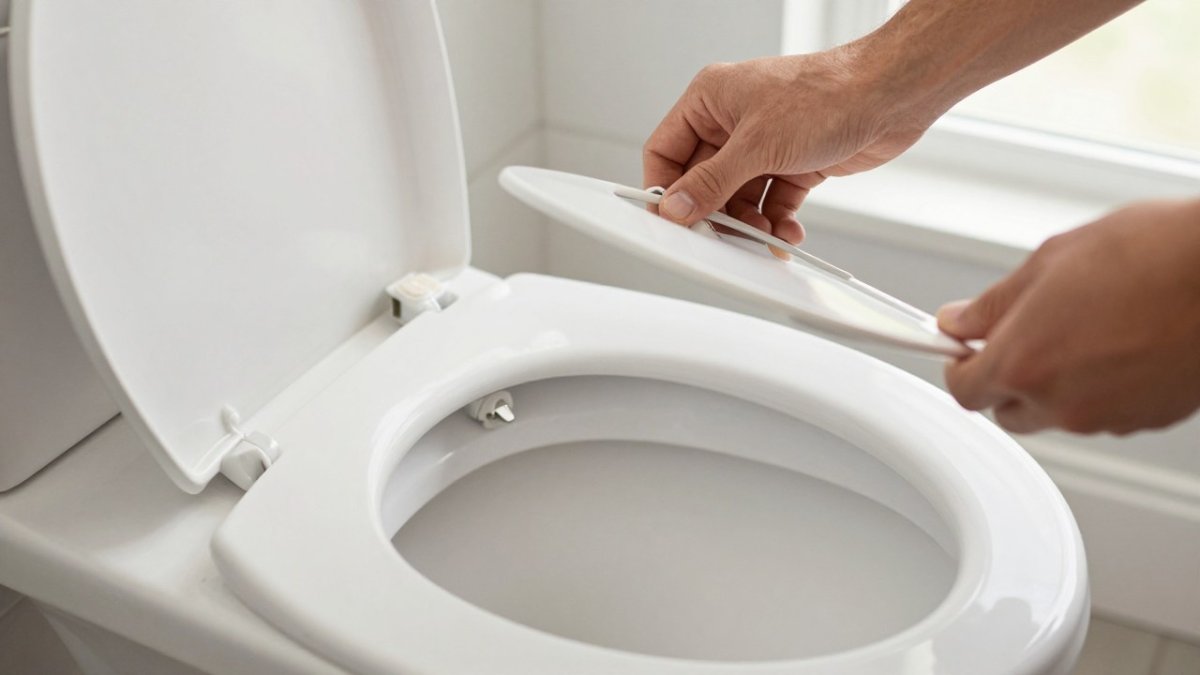
The simplest way to confirm a flapper leak is a dye test. It takes about 15 minutes and needs no tools.
- Flush the toilet once and let the tank refill completely
- Add 5 to 10 drops of food coloring to the tank water. Do not flush
- Wait 15 to 20 minutes without flushing
- Check the bowl water. If it has color, water is leaking past the flapper
If the bowl turns colored, the flapper is letting water through. Replace the flapper and check that the chain has about 1/2 inch of slack. Flapper kits are sold by size and brand, so check the old flapper’s model number before you buy.
Watch out: Do not reuse a flapper that is cracked, stiff, or warped. A cheap new flapper usually fixes the leak for less than a plumber’s service call.
Safe Shutoff and Repair Steps, Plus Water Waste and Bill Impact
Running toilets waste more water than most people expect, and the waste is easy to underestimate because each refill is short. A toilet that refills every few minutes is cycling the fill valve dozens of times a day. A leaking toilet can waste a significant amount of water over time, and the actual amount depends on the size of the leak and how often the valve cycles.
You can estimate your own loss without special tools. Count how many seconds each refill runs and how many minutes pass between refills. If the refill runs 8 seconds every 6 minutes, that is 10 refills per hour, or 240 refills per day. Multiply the seconds per refill by the number of refills to get total run time, then compare that to the fill rate printed on the valve or estimated from the tank size.
Before you start any repair, follow these shutoff steps:
- Locate the supply valve behind the toilet, usually a oval or round knob on the wall or floor
- Turn it clockwise until it stops. Do not force it if it will not move
- Flush once to drain most of the tank, then sponge out the remainder
- Keep towels and a bucket nearby for any drips
- Turn the water back on slowly and check every connection for leaks
Watch out: If the shutoff valve is stuck, corroded, or will not close fully, do not keep forcing it. A stuck valve can break at the stem and release water at full pressure. Shut off the main water supply to the house instead, and have the valve replaced before you attempt the toilet repair.
If the leak is at the shutoff valve or supply line rather than inside the tank, call a professional. Work near a live water line can cause flooding, and a failed supply line can release water faster than a shop vac can keep up.
Booking a Toilet Repair Visit with CW Plumbing in Pinellas Park
If the dye test points to a leak you can’t fix yourself, or the fill valve keeps failing after adjustment, a professional visit may save time. CW Plumbing provides plumbing service in Pinellas Park and Pinellas County.
book a toilet repair visit if the problem has not gone away after your own checks. For plumbing work of any size, see our full list of hydro jetting and plumbing services. If you need help right away while the toilet keeps running, read how to stop a water leak until the plumber arrives, and for more on clearing a stuck toilet, see our guide to the best ways to fix clogged toilets.
Frequently Asked Questions
Why does my toilet keep filling up every few minutes?
A toilet that refills every few minutes is almost always losing water from the tank to the bowl. The most common cause is a worn or misaligned flapper that does not seal fully after a flush. A faulty fill valve that fails to shut off completely can also cause the refill cycle to repeat. Start by checking the flapper for warping or debris, then confirm the water level sits about one inch below the overflow tube. If the problem continues after these checks, the fill valve is the next suspect and usually needs replacement.
Can a faulty flapper make a toilet refill every few minutes?
Yes. A flapper that no longer seals tightly lets water slip from the tank into the bowl, and the fill valve responds by refilling the tank. This cycle can repeat every few minutes, sometimes faster on older toilets. Flappers commonly wear out over several years because rubber degrades with exposure to chlorinated water. Replacing a flapper is an inexpensive part swap for most toilets, but confirm the size and model before buying so the new part fits the flush valve opening.
How can I tell if my toilet fill valve is failing?
Signs of a failing fill valve include a loud hissing or humming after the tank fills, water that keeps trickling into the overflow tube, and a tank that refills briefly for a few seconds at random. Remove the tank lid and watch the valve as the tank fills. If it keeps running after the water reaches the fill line, the valve is not shutting off properly. Fill valves can be adjusted or replaced, and replacement kits are sold at most hardware stores in the United States.
When should I call a plumber for a toilet that keeps refilling?
Call a licensed plumber if the flapper and fill valve checks do not stop the refill cycle, if you see water around the base of the toilet or stains on the floor, or if you find signs of damage to the flush valve seat. Call sooner if you are uncomfortable shutting off the water supply or working inside the tank. A continuously running toilet can waste a significant amount of water and raise your utility bill, so a timely repair helps control costs. Contact CW Plumbing for a quote, as pricing depends on the parts needed and the complexity of the repair.
