


Book An
Appointment
Lorem ipsum dolor sit amet, consectetur adipiscing elit, sed do eiusmod tempor incididunt ut labore et
Our Services
Last Updated: November 2, 2026
Quick Summary
Professional sewer line repair begins with a sewer camera inspection to identify cracks, root intrusion, or collapses before any digging. The main methods are CIPP lining, pipe bursting, sliplining, internal coating, and open-trench replacement, each matched to the pipe’s condition.
- CIPP lining suits cracks, leaks, and root intrusion with minimal digging at access points.
- Pipe bursting replaces badly deteriorated or undersized pipe and allows a larger diameter.
- Sliplining shrinks capacity, so it is a poor fit for lines near their flow limit.
- Open-trench replacement is the honest choice for collapsed, misaligned, or back-pitched pipe.
- Permitting can add days to weeks and is the step homeowners most often underestimate.
Table of Contents
- How Professionals Diagnose Sewer Line Problems Before Choosing a Repair Method
- The Main Professional Sewer Line Repair Methods Compared
- Trenchless Sewer Line Repair: What It Is and When It Works Best
- Sewer Pipe Lining: How It Rehabs a Damaged Pipe From the Inside
- Choosing a Repair Method Based on Pipe Condition and Damage Type
- Cost Drivers, Permits, and What a Sewer Repair Timeline Looks Like
- Book a Sewer Camera Inspection with CW Plumbing
- Frequently Asked Questions
How Professionals Diagnose Sewer Line Problems Before Choosing a Repair Method
Professional sewer line repair starts with diagnosis, not digging. The right repair method depends on what a camera sees inside the pipe, and choosing blind is how small problems become expensive ones.
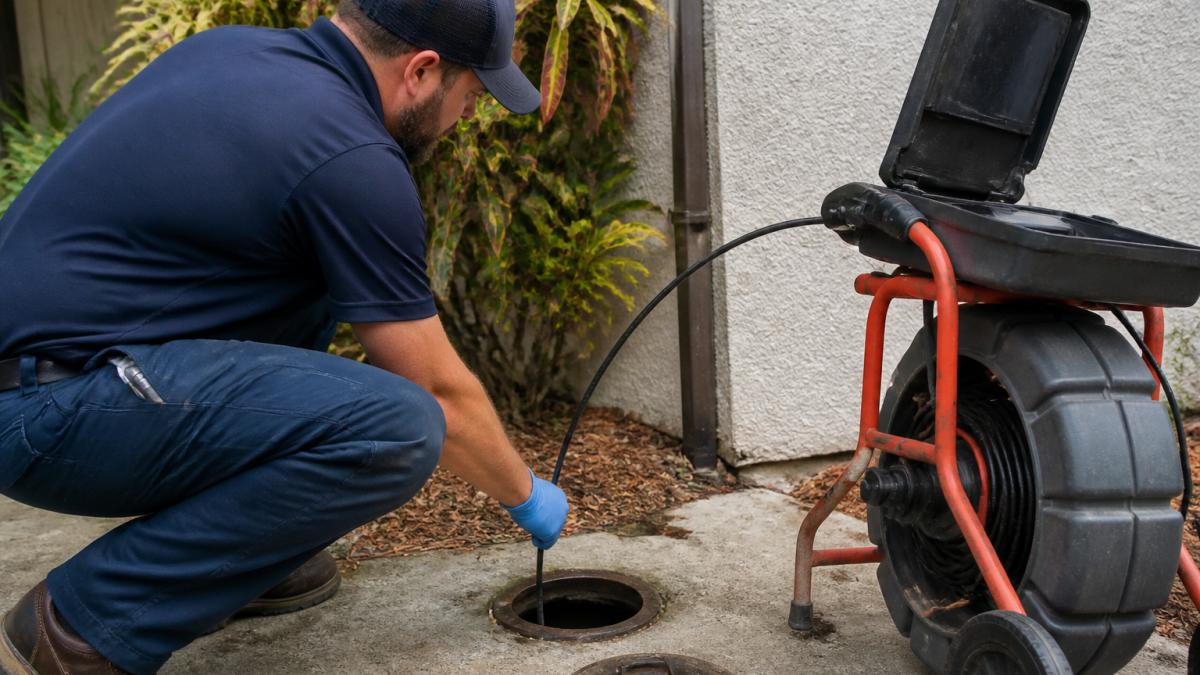
Sewer Camera Inspection: Seeing the Pipe Before You Pay for the Fix
A sewer camera inspection is a diagnostic procedure where a flexible camera travels through the line and records its condition on video. It reveals cracks, root intrusion, bellies, offset joints, and collapsed sections that no amount of guesswork can confirm.
This step matters because it separates a cleaning job from a structural repair. Before committing, readers can review sewer camera inspection costs and what the process reveals.
The Main Professional Sewer Line Repair Methods Compared
Five methods cover nearly every residential sewer repair, and each fits a different pipe condition. For the repairs compared here, see sewer and drain services in Pinellas County, FL. The table below is the quick version; the sections that follow explain when each one earns its place.
| Method | Best For | Excavation Needed | Typical Disruption |
|---|---|---|---|
| CIPP lining | Cracks, leaks, root intrusion | Minimal, at access points | Low |
| Pipe bursting | Severely damaged or undersized pipe | Small pits at ends | Moderate |
| Sliplining | Deteriorated but straight pipe | Small pits at ends | Moderate |
| Internal coating | Early corrosion, minor defects | None | Very low |
| Open-trench replacement | Collapsed or misaligned pipe | Full trench along the line | High |
1. Cured-in-Place Pipe (CIPP) Lining
CIPP lining is the most common trenchless method. A resin-saturated liner is inserted into the existing pipe, inflated against the walls, and cured in place until it hardens into a new pipe inside the old one.
Pros: minimal digging, fast cure, smooth interior that resists future root intrusion.
Cons: the host pipe must be mostly intact and properly cleaned first; it reduces the interior diameter slightly.
2. Pipe Bursting Sewer Repair
Pipe bursting pulls a bursting head through the old pipe, fracturing it outward while dragging a new pipe into the same path. It is the go-to method when the existing line is too far gone for a liner or needs upsizing.
Pros: replaces the pipe entirely, allows a larger diameter, works on badly deteriorated lines.
Cons: requires entry pits at both ends and more excavation than lining.
3. Sliplining
Sliplining inserts a smaller new pipe inside the old one. It is straightforward and reliable for long, relatively straight runs with few bends.
Pros: proven, durable, and simpler than bursting.
Cons: it shrinks capacity, so it is a poor fit for lines already near their flow limit.
4. Internal Pipe Coating and Spray Lining
Spray lining applies a polymer coating to the pipe interior, sealing small cracks and slowing corrosion. It suits pipes with minor defects rather than structural failure.
Pros: no excavation, quick application, protects against further deterioration.
Cons: it will not fix a collapsed or badly offset pipe.
5. Traditional Open-Trench Replacement
Open-trench replacement digs along the line and swaps the pipe outright. It remains the honest choice when the pipe is collapsed, misaligned, or back-pitched beyond what trenchless methods can correct.
Pros: full control over grade and alignment, complete replacement.
Cons: the most disruption, the most landscaping damage, and the longest timeline.
Trenchless Sewer Line Repair: What It Is and When It Works Best
Trenchless sewer line repair is any method that rehabilitates or replaces a pipe with minimal digging, using small access points instead of a continuous trench. It works best when the pipe still has enough structural integrity to guide a liner or bursting head, the line is relatively straight, and there are no major collapses or severe offset joints.
Sewer Pipe Lining: How It Rehabs a Damaged Pipe From the Inside
Sewer pipe lining rebuilds a damaged pipe from within, so the street, yard, and driveway stay untouched. The general process follows this sequence:
- Clean the line with hydro jetting to strip roots, grease, and debris.
- Inspect again to confirm the pipe is ready for a liner.
- Measure and prepare the liner to the pipe’s dimensions.
- Insert the liner through an access point and inflate it against the walls.
- Cure the resin until it hardens into a rigid new pipe.
- Inspect the finished lining with the camera to verify the seal.
A common mistake is skipping the cleaning step. Lining over debris or roots traps defects under the new surface, and the failure returns within a season. Proper preparation is what separates a lasting repair from a callback.
Choosing a Repair Method Based on Pipe Condition and Damage Type
The method-selection decision comes down to what the camera found, how much structural integrity remains, and what the pipe has to carry afterward. Most practitioners work through the same sequence: identify the defect type, judge whether the pipe can still guide a liner or bursting head, check the grade and alignment, then confirm the inside diameter can afford to shrink.
Match the defect to the method
- Hairline cracks, joint leaks, or root intrusion with sound pipe walls → CIPP lining or internal spray coating. The host pipe still has enough structure to hold the liner or coating in place.
- Deteriorated but straight pipe with no major offsets → sliplining or CIPP. Sliplining is the simpler, proven route; CIPP preserves more capacity.
- Roots only, pipe otherwise sound → hydro jetting or mechanical root cutting, not a structural repair.
When a method is unsuitable
This is where most advice stops, and where callbacks begin.
- CIPP is a poor fit when the pipe is collapsed, when offset joints exceed roughly a quarter to a third of the pipe diameter, or when the line cannot be cleaned to bare wall. Lining over debris or roots traps the defect under the new surface, and the failure returns within a season.
- Sliplining is unsuitable for lines already near their flow limit, because the inserted pipe shrinks capacity, and for lines with sharp bends that the rigid new pipe cannot negotiate.
- Pipe bursting is a poor choice where the line runs close to other utilities, under a structure that cannot tolerate the outward fracturing, or where the soil cannot accept the displaced old pipe.
The capacity and grade checks homeowners overlook
Two questions decide more repairs than any other. First, can the line afford to lose inside diameter? A liner or slipline reduces the bore, so a line already near its flow limit may need bursting or replacement instead. Second, is the grade correct? A belly, a low spot where water pools, will not be fixed by lining or coating, because the new surface follows the old sag.
Ask your contractor to show you the camera footage and point to the specific defect that drives the recommendation. A method recommendation without footage is a guess.
When the pipe is sound and the problem is roots or buildup, clearing may be all you need. When the structure is compromised, lining or replacement is the real fix.
Cost Drivers, Permits, and What a Sewer Repair Timeline Looks Like
Pricing for sewer repair depends on pipe length, depth, diameter, access difficulty, and the method chosen, so a quote is best prepared after the inspection rather than guessed in advance. For current prices or a quote for your project, contact CW Plumbing directly. What you can do before the quote arrives is understand which variables move the number and by how much.
What drives the cost
- Length of the run. Every method is priced per linear foot, so a 30-foot line and a 90-foot line are different projects even with the same defect.
- Depth. Deeper lines mean more excavation, shoring, and labor at the access pits, and depth is often the single biggest swing factor on trenchless jobs.
- Pipe diameter. Larger diameter means more liner material, more resin, and heavier equipment.
Because these variables interact, two neighbors with the same length of pipe can receive very different quotes. Ask for a line-item breakdown, length, method, access, and restoration, so you can compare bids on equal terms rather than on the bottom-line number alone.
Permits and code compliance
Permits are commonly required for excavation and replacement work, and many jurisdictions also require a permit or inspection for trenchless rehabilitation. Confirm local requirements before digging and clarify who pulls the permit and who pays for it. Work on the public side of the property line, the lateral connection to the main, often falls under a separate approval than work on the private side, so clarify where your responsibility ends.
What the timeline actually looks like
A typical repair follows the same sequence regardless of method:
- Inspection and diagnosis, camera survey, usually same day.
- Cleaning, hydro jetting to bare wall, often same day as inspection.
- Permitting, can add days to weeks depending on the jurisdiction; this is the step homeowners most often underestimate.
- Installation, coating and lining often finish in a day; bursting and sliplining typically run one to three days; open-trench replacement can run several days depending on length and site conditions.
- Curing and testing, a final camera inspection verifies the seal before the job is closed out.
- Restoration, backfill, compaction, and surface repair, which can extend the schedule on excavation jobs.
Warranty questions to ask in writing
Ask what any warranty covers, the material, the labor, or both, how long it runs, and whether it transfers if you sell the home. Get the terms in writing before work begins.
A quote that skips the camera inspection or a written warranty can leave you exposed if the repair fails, so ask for both before work begins.
Book a Sewer Camera Inspection with CW Plumbing
The fastest way to stop guessing about your sewer line is to see inside it. Learn what a sewer line inspection before buying a home involves and how results guide next steps. CW Plumbing is a family and locally owned business serving residential and commercial clients, with advanced sewer camera inspection and hydro jetting equipment to diagnose the problem accurately.
Frequently Asked Questions
What are the main professional sewer line repair methods?
The main options are cured-in-place pipe (CIPP) lining, pipe bursting, sliplining, internal pipe coating or spray lining, and traditional open-trench replacement. CIPP and spray lining rehab the existing pipe from the inside, while pipe bursting and sliplining install new pipe with minimal digging. Open-trench replacement remains the fallback when a pipe is collapsed, badly misaligned, or too damaged for a liner to bond. A camera inspection is what tells a plumber which of these sewer line repair methods fits your line.
How much should it cost to repair a sewer line?
Pricing depends on the repair method, the length and depth of the pipe, the access point, and whether landscaping or concrete has to be restored. Trenchless methods usually cost more per foot in materials but save on excavation and restoration, while open-trench work swings the other way. For current prices or a quote for your project, contact CW Plumbing directly, and ask for an itemized estimate after the camera inspection that confirms what restoration is included.
When is trenchless sewer repair a good option?
Trenchless sewer line repair fits when the pipe still holds its shape, the damage is limited to cracks, joint gaps, root intrusion, or corrosion, and there is a clear access point for the equipment. It is a poor fit for a fully collapsed pipe, severe bellies or sags, or lines with major offset joints that a liner cannot bridge. A sewer camera inspection settles the question: if the camera can pass through and the walls are sound enough to host a liner, trenchless work is usually on the table.
Can you fix a clogged sewer line yourself?
You can clear a simple blockage with a drain snake or plunger, but recurring clogs usually signal a deeper problem such as root intrusion, a cracked pipe, or a sag that traps waste. If the same line backs up within weeks, stop snaking it and get a sewer camera inspection. Hydro jetting and camera diagnostics show whether the clog is debris or a damaged pipe that needs lining or replacement, which saves you from paying for the same fix twice.
How do plumbers determine whether a sewer line needs repair or replacement?
A camera inspection plus the pipe’s material and age drive the call. Cast iron, clay, and orangeburg lines past their service life with widespread corrosion or multiple breaks usually point toward replacement or a full-length liner. Isolated cracks, root joints, and small offsets in an otherwise sound pipe can often be repaired with CIPP lining, spot lining, or pipe bursting sewer repair. The plumber should show you the camera footage and explain why the recommended method fits what is on screen.
Do plumbers handle sewer lines?
Yes. Licensed plumbing companies handle everything from the fixture connections to the main sewer line running to the municipal connection, including camera inspections, hydro jetting, lining, pipe bursting, and excavation. Confirm the company carries licensing and insurance before work starts, and ask whether permits are pulled for your jurisdiction. CW Plumbing provides sewer camera inspections and hydro jetting for residential and commercial properties throughout Pinellas County.
A failed sewer line never improves on its own, and the longer it waits, the more the repair tends to cost. CW Plumbing offers emergency service, advanced camera diagnostics, and honest recommendations backed by what we find in the pipe. Get started with CW Plumbing and book an appointment for a sewer camera inspection that tells you exactly what your line needs.
